
The following is a selection of articles that I am most proud of from my time as a watchdog reporter. Most links will send you to a hard or soft paywall — please reach out to me personally if you would like the full text of any of these articles in PDF format.

NASA Wallops knew it contaminated Virginia town’s drinking water for years, but didn’t tell the public
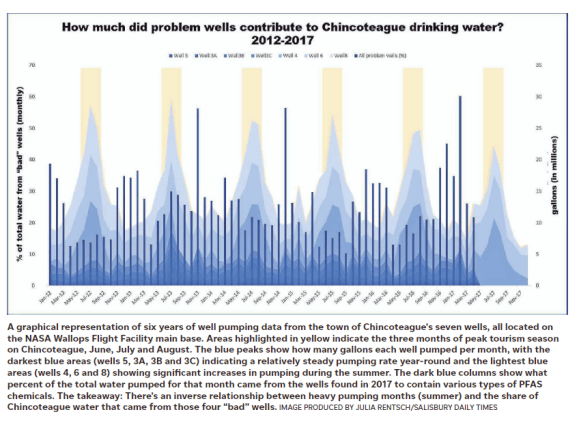
Missing information from public announcements included NASA’s knowledge that the chemicals were sprayed near Chincoteague drinking water wells in 1998, more than 20 years prior to its discovery, making it likely that PFAS were present in the wells for years.
When Chincoteague stopped drawing water from the contaminated wells in 2017, the community breathed a sigh of relief. But in the years that followed, there was little to no public acknowledgement by the federal officials in charge of the NASA Wallops Flight Facility main base — where AFFF was long used to control aircraft fires.
My reporting, for the first time, revealed that residents of Chincoteague during the off-season were at a significantly higher risk for PFAS exposure via their drinking water, which is illustrated by the spikes of water drawn from contaminated wells shown in my graph to the left.
This article won an award. Go to Awards page →
Oysters in peril
Thanks to record levels of persistent rainfall throughout the bay watershed, salinity levels in the Chesapeake Bay remained perilously low for over a year.
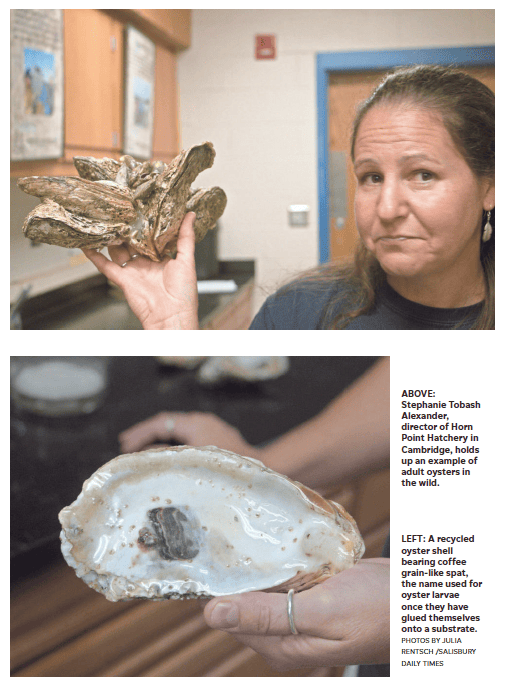
I visited the University of Maryland’s Horn Point Hatchery, the largest oyster hatchery in the state, to learn the ins and outs of the carefully controlled oyster growing operation. I took my camera with me, and produced photos and an accompanying video for this story. (WATCH: How Horn Point Hatchery spawns oysters)
Oyster seasons can be variable, but this was the first time in 15 years that the hatchery predicted it would likely fail to meet its annual goal of putting 500 million spat-on-shell out into the bay. The absence of spat was a looming specter over the oyster industry, which knew it would begin to face harvesting difficulties in 18 months to three years.


Dammed if you dredge, dammed if you don’t: Conowingo’s toxic muck a vexing problem for bay
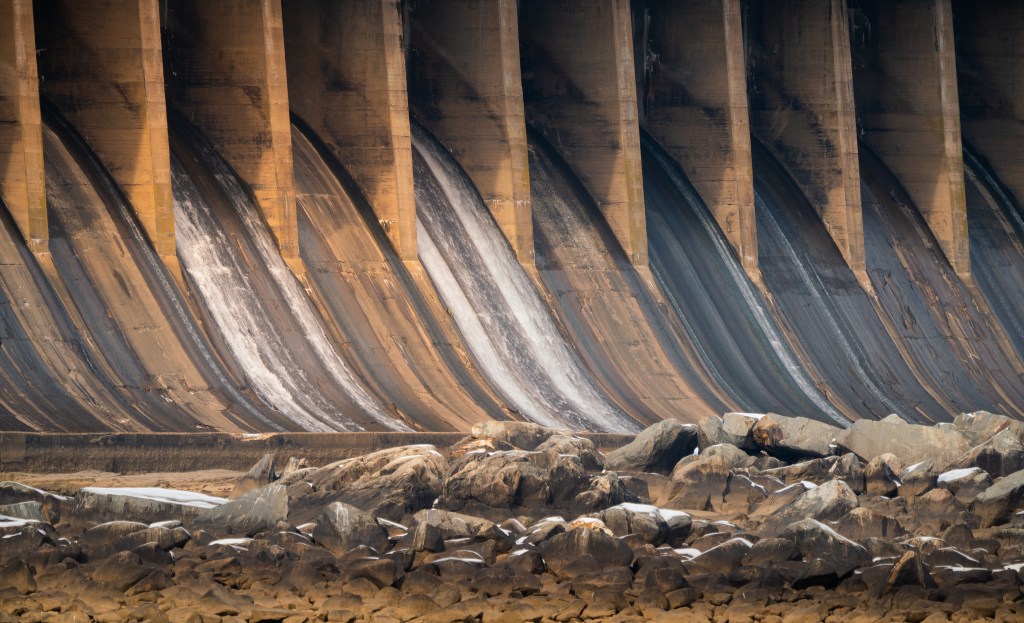
A violent storm in 1972 led the Susquehanna River to discharge more sediment in just 10 days than it had during the preceding decade, wiping out oyster populations in the Chesapeake Bay. Today, the Conowingo Dam, which sits close to the mouth of the river, is in the spotlight for its role in preventing — and, at times, failing to stop — the huge deposit from again wrecking the delicate bay ecosystem. And with the Conowingo Reservoir sitting at maximum capacity for sediment since 2016, another storm like the one that devastated the area in 1972 could be even worse if it occurs today. But if the Conowingo is — as research is beginning to suggest — letting pollution through the dam even when the weather is ordinary, its role could be more complicated.
I had the change to dive deep into this dam’s issues, which are unique among dams nationwide. A nuanced perspective is required to understand the best way to take action on a problem for which there are certainly no easy fixes.
This article was part of a package of stories that, collectively, won an award. Go to Awards page →
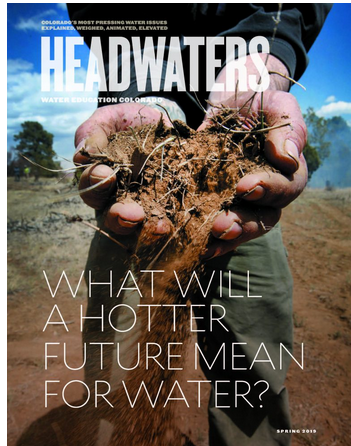
Headwaters Magazine: What makes a climate-smart community?
Climate-smart communities, businesses, water districts and individuals are preparing for hotter and drier conditions in Colorado. They’re acknowledging that water is the most pressing long-term issue they will face and developing evidence-based strategies, plans and policies for resilience.
How do communities get climate smart? Strategies come in the form of legislative action and policy, conservation plans, water plans, zoning regulations, building and landscaping codes, water rate setting, conservation incentives, watering restrictions, and more. While communities in the past focused on meeting growing water needs by expanding their supply and securing more water, those methods do not address the root of the problem: growing demand.
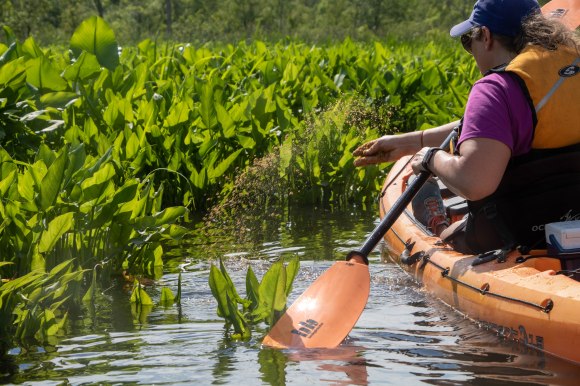
Seeding the Nanticoke: Wild celery introduction hopes to improve river’s declining health
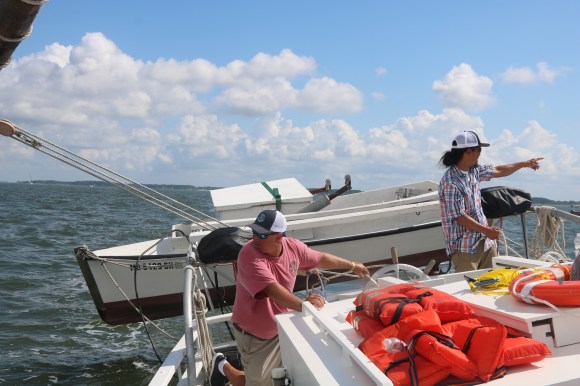
I kayaked the Blackwater National Wildlife Refuge (with my camera in tow) to report this story about this innovative effort to restore underwater grass beds to Chesapeake Bay tributaries.
The success of this attempted introduction of wild celery would represent a big win for river health, due to the grass’s numerous inherent functions that help keep its surrounding habitat clean and hardy.
The area is both gorgeous and important: A haven for migrating waterfowl and songbirds, the marsh also serves as a natural buffer against flooding and sea-level rise.
This article won an award. Go to Awards page →
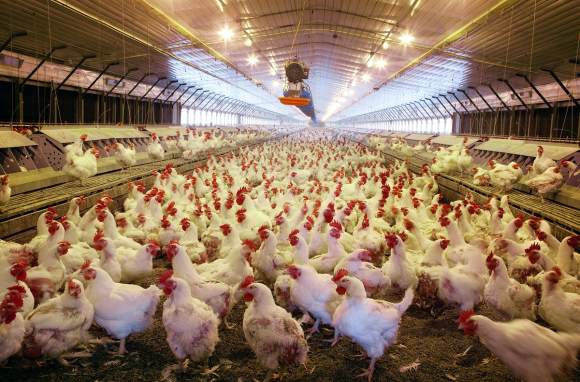
Happy chickens, a slightly worse-off planet
Who knew so much thought and planning was behind every breast, nugget, and wing? I waded through the finer details of raising broiler chickens (one of Delmarva’s flagship industries) with a question in mind: With big changes in the pipeline for better chicken welfare while they are being raised for slaughter, what will be the impact on the environment?
Thanks to marketing, most Americans likely believe that a higher-welfare chicken is equally a more environmentally sustainable chicken. However, my analysis suggests that, actually, the opposite is true.
This article won an award. Go to Awards page →



You must be logged in to post a comment.